







Search Results for: Single shot basket
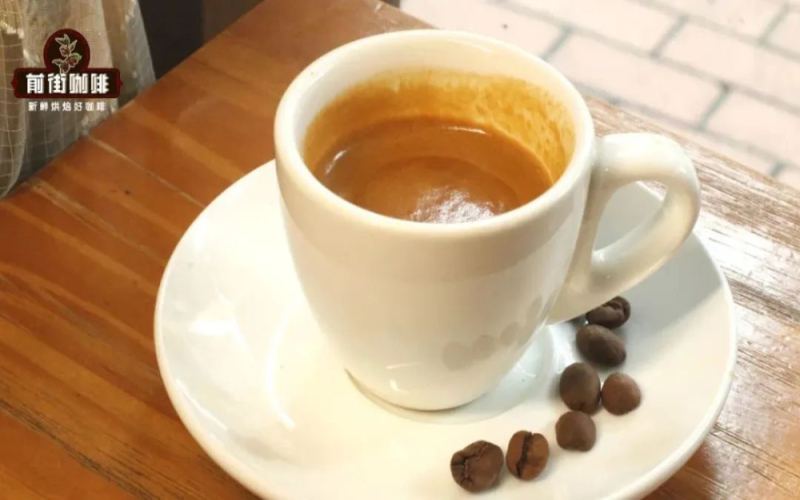
Why Are Single Shots Being Phased Out? A Detailed Explanation of the Differences Between 1 Shot and Double Shots and Their Extraction Variations
When ordering at a coffee shop, you often hear the phrase "add a shot," but do you know what 1 shot actually refers to? In the early days, 1 shot was a 30ml single espresso extracted from 9–11g of grounds, whereas today at most cafés, 1 shot is actually a double espresso extracted from 18–20g of grounds. Why would shops rather pull doubles than use single baskets? What exactly are the differences between single baskets and double baskets in appearance, structure, and extraction performance? Starting from Front Street's extraction experiments, this article uses concrete data to explain why single baskets have been phased out, and analyzes how basket structure affects water flow distribution, extraction uniformity, and channeling, helping coffee enthusiasts understand the extraction logic behind espresso. [more…]
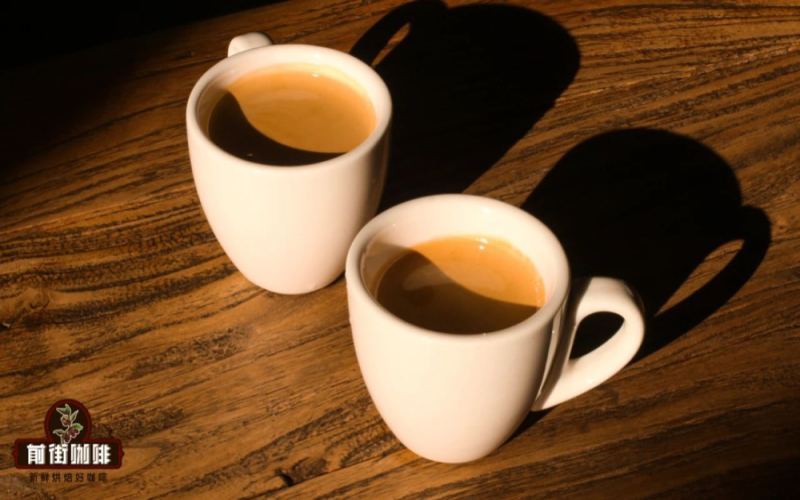
How Much Coffee Grounds for a Single Espresso Shot? 1-Shot Portafilter Extraction Parameters and Practical Guide
How much coffee powder should actually be used for 1 shot of espresso? The traditional standard is 9-11 grams, but this parameter is rarely adopted today, and the root cause lies in the special structure of the single-shot filter basket. The single-shot filter basket is shaped like an inverted cone, with the upper half having the same diameter as the double-shot, while the lower half narrows to maintain the depth of the coffee bed, yet the actual extraction performance is far more complex than "half of a double shot." Precisely for this reason, single-shot filter baskets have gradually fallen out of favor, and more baristas have shifted to double-shot filter baskets, producing one espresso at a 1:2 coffee-to-liquid ratio. In this article, Front Street Coffee will use the Sunflower · Warm Sun blend beans that are standard in our stores, paired with a double-shot filter basket, to fully demonstrate the standard process from weighing the coffee, distributing the grounds, and tamping to extraction and tasting, and to share practical suggestions for adjusting time, flow rate, and flavor. [more…]
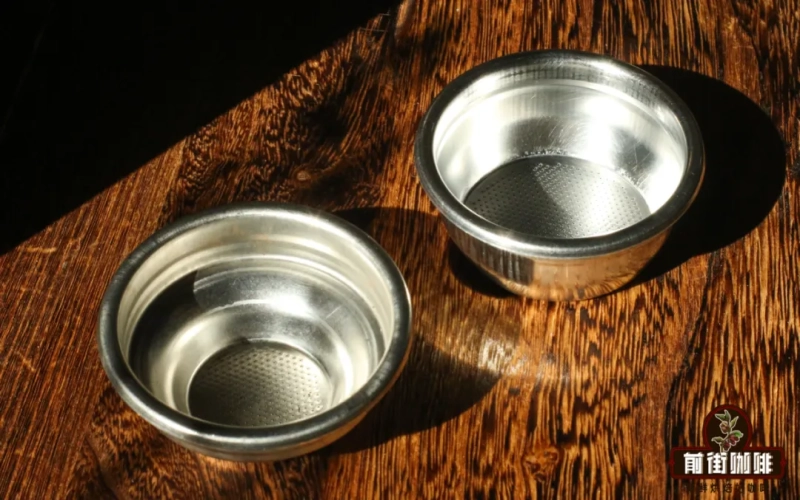
Single vs. Double Portafilter Baskets: Which One Should You Use to Pull a Shot of Espresso?
When ordering at a coffee shop, have you ever noticed the filter basket the barista uses? A single basket typically holds 9–11g of coffee grounds for pulling a single espresso; a double basket can hold 18–22g for a double espresso. But in reality, most cafés would rather use a double basket to pull an extra shot—even pouring half of it down the drain—than switch to a single basket. Why is that? Starting from Front Street's comparative experiments, this article takes a deep dive into the structural differences, extraction performance, and consistency issues of the two baskets, helping you fully understand which basket a single espresso should actually use. [more…]
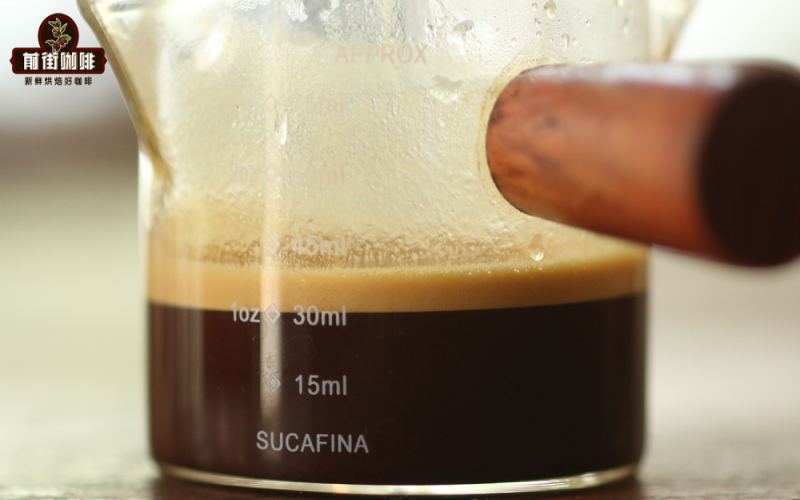
Espresso Extraction Ratios | Is there a big difference between single and double shots of espresso? How do single and double shots differ in taste and mouthfeel?
If you want to order an espresso at a coffee shop, besides saying "I'll have an espresso," you can also say "I'll have a shot." A shot is the unit for espresso; 1 shot espresso means one serving of espresso, and sometimes "sin" is also used. [more…]
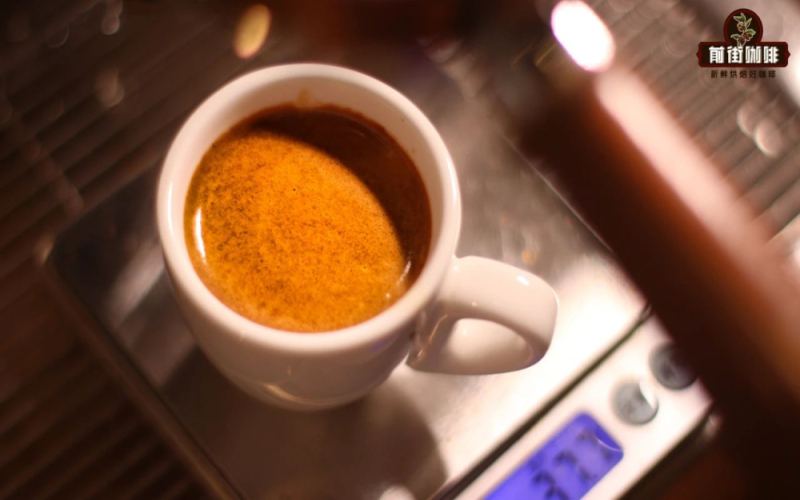
An Analysis of Espresso Shot Units and Double Shot Standards, with Front Street Brand Recommendations
When ordering at a coffee shop, you'll often hear phrases like "give me a shot," but do you know exactly how many milliliters of coffee a shot actually is? This article starts with the origin of the word "shot," explains in detail the meaning of shot and double shot in espresso, the historical standards and contemporary changes, and introduces the extraction methods commonly used in coffee shops today. We'll also recommend several coffee beans suitable for making espresso, including Front Street brand's blends and SOE products, to help you better understand and choose. [more…]
Espresso Dose Guide: Single vs. Double Basket Differences and Standard Extraction Parameters Explained
How much coffee grounds should you use when making espresso? What is the difference between single and double baskets? Drawing on Front Street Coffee's hands-on experience, this article provides a detailed analysis of the structural characteristics and current usage of single-shot espresso baskets, explaining why double baskets have become the mainstream choice. At the same time, using "Front Street Sunflower · Warm Sun Espresso Blend Coffee Beans" as an example, it fully demonstrates the standard extraction process for a double basket, covering dose, yield, time control, and distribution and tamping techniques, to help you consistently produce an espresso with thick, velvety crema and rich, layered flavors. [more…]
Espresso Measurement Decoded: How Much Coffee Is in a Shot? From Bar Lingo to Coffee Shop Standards
When ordering at a coffee shop, you'll often hear phrases like "add a shot" or "give me a shot," but how much espresso does one shot actually mean? This term actually originated from bar culture and was later borrowed into the coffee world. As extraction equipment and production standards have continued to evolve, the meaning of "shot" has also undergone a shift from measuring by dose to measuring by liquid volume. This article will sort out the origin of the term "shot," what it specifically refers to in the coffee context, and how modern coffee shops deal with the awkwardness brought by traditional measurement methods, helping coffee enthusiasts understand the ordering logic of espresso more clearly. [more…]
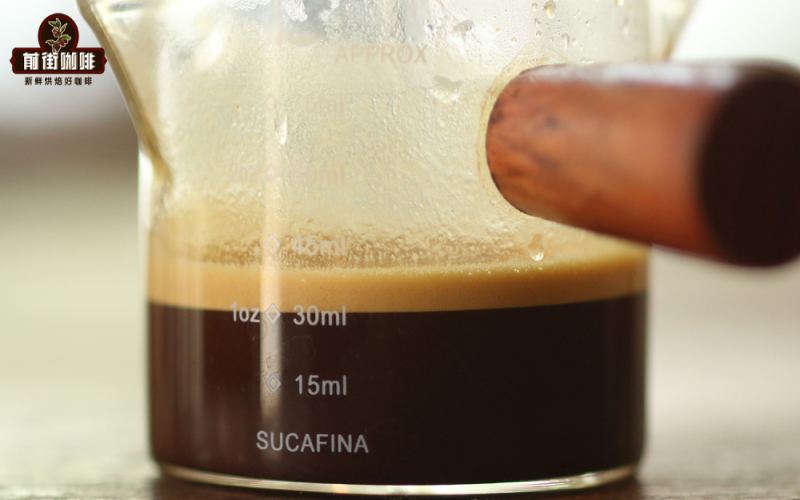
What are the substantive differences between single and double espresso? A full analysis of portafilter basket structure, extraction data, and operation
When ordering an espresso at a coffee shop, you can ask for a single shot or a double shot. On the surface, single and double espressos differ only in volume, but from the barista's operational perspective, this involves two completely different extraction schemes. Portafilter basket capacity, puck structure, and uniformity of pressure distribution can all create noticeable differences in the final product. This article starts from Front Street Coffee's extraction experiments, using specific data to compare the extraction performance of single baskets versus double baskets, explaining why a single espresso is not simply half of a double, and includes a standard double espresso preparation procedure to help you gain a deeper understanding of the intricacies behind this small cup of coffee. [more…]
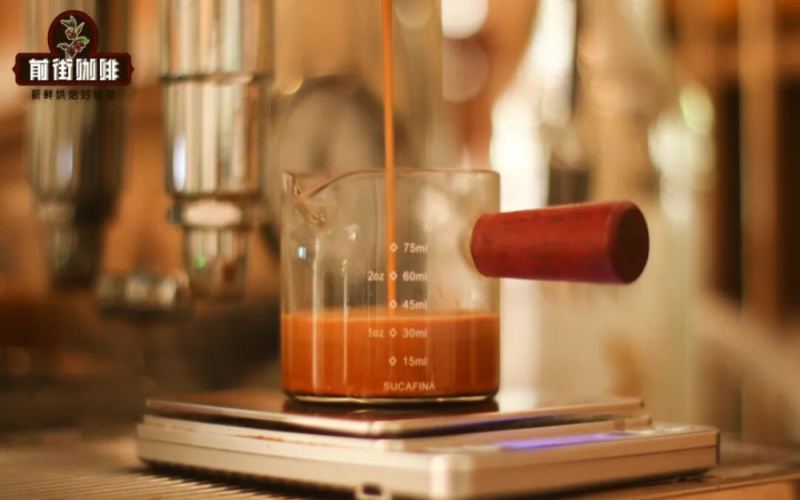
Single or Double Espresso: A Comprehensive Guide to Espresso Extraction Essentials and Parameters
As the base of fancy coffee drinks, the choice between single and double shots of espresso has always been a topic of interest for enthusiasts. A single shot of espresso is about 30 milliliters, while a double shot is about two ounces; the two differ noticeably in dose, extraction performance, and flavor expression. This article will systematically address common espresso extraction questions from the perspectives of basket capacity, brew ratio, and extraction time, and share how to achieve consistent results with medium-dark roasted blend beans. Using a double basket as an example, the article will also demonstrate the standard espresso-making process step by step, including details such as distribution, tamping, and extraction parameter adjustment, while introducing the characteristics and suitable scenarios of two daily beans, Front Street Classic Blend and Front Street Dark Cocoa Blend, to help home users easily replicate café-level espresso bases. [more…]

The Espresso Shot Breakdown: How Much Coffee Is in a Shot? Single vs. Double Definitions and Their Evolution
When ordering at a café, you often hear "add a shot" or "get a double espresso," but how much coffee does one shot actually represent? This article traces the evolution of the word "shot" from drinking culture to the coffee world, breaks down the extraction formulas for traditional single and double shots, and explains how modern baristas use liquid weight as the standard, making the gram amount of each espresso vary from shop to shop. At the same time, drawing on extraction examples from Front Street Coffee, it helps you understand the concept of espresso serving sizes more clearly. Whether you are a coffee enthusiast or a customer ordering day to day, you can gain practical knowledge from it. [more…]
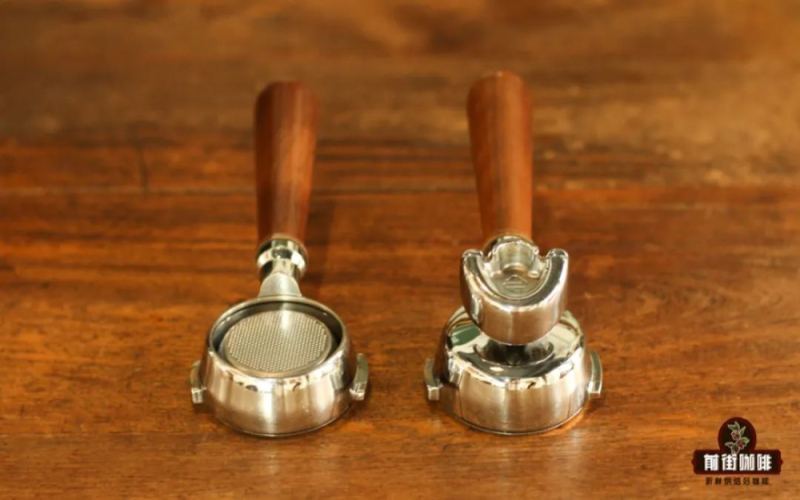
Espresso Machine Portafilter: Bottomless or Spouted? A Comprehensive Comparison from Extraction Differences to Cleaning Convenience
When selecting or using an espresso machine, the choice of portafilter often causes confusion: what exactly is the difference between a traditional spouted portafilter and a bottomless portafilter? Does a bottomless portafilter really affect the extraction results of espresso? This article will analyze the extraction performance of the two portafilters under the same parameters through a practical comparative experiment, and review the background and original design intent of the bottomless portafilter. We will also explore how "channeling" was discovered by baristas, and the respective advantages of the two portafilters in terms of space occupation, cleaning difficulty, and usage scenarios. Whether you are a beginner or a seasoned enthusiast, you can find a suitable basis for your choice. Front Street Coffee will also share its own usage habits for your reference. [more…]
Starbucks Double Shot Caffeine Content Fully Explained: How Much Caffeine Is Actually in One Double Shot?
When ordering at Starbucks, have you ever noticed the term "Double shot"? How much caffeine does a double espresso actually contain, and how much do different products vary? This article will start with the origin of the word "Shot," trace the evolution of espresso measurement from volume-based to weight-based, and explain why the size of a single shot can vary so dramatically from one coffee shop to another today. At the same time, we will also draw on Front Street Coffee's extraction practices to provide specific parameters for dose, liquid weight, and time, helping you understand the true nature of a double espresso more clearly. Whether you drink Starbucks regularly or pull your own shots at home, you will find practical references here. [more…]
How Many Milliliters Is an Espresso Shot, Really? A Complete Analysis of Espresso Crema Richness and Extraction Standards
When ordering at a café, you often hear the term "a shot"—but exactly how many milliliters of coffee does it correspond to? Why do some espressos have a rich, thick crema and appear to be more in volume? From the professional perspective of Front Street Coffee, this article sorts out the origin of the term "shot," the changes in espresso extraction standards, and the relationship between crema and extraction ratios. It also introduces the performance differences of coffee beans with different roast levels under the same parameters, and offers recommendations for several of Front Street's espresso beans, helping you more clearly understand the measurement and flavor choices of espresso. [more…]
Espresso Extraction Tutorial: A Complete Guide to Dose Ratios, Time Parameters, and Tasting Methods
To make a good espresso, dose, yield, and time are all indispensable. This article starts with the structural differences between single and double baskets, uses Front Street's actual extraction data to explain why single baskets are gradually falling out of favor, and then walks through the standard routine of extracting 40g of liquid from 20g of grounds in about 28 to 30 seconds, demonstrating step by step the details of distribution, tamping, extraction, and tasting. Whether you're a beginner who just got a semi-automatic espresso machine or an enthusiast looking to calibrate your parameters, you'll find practical reference standards here. [more…]
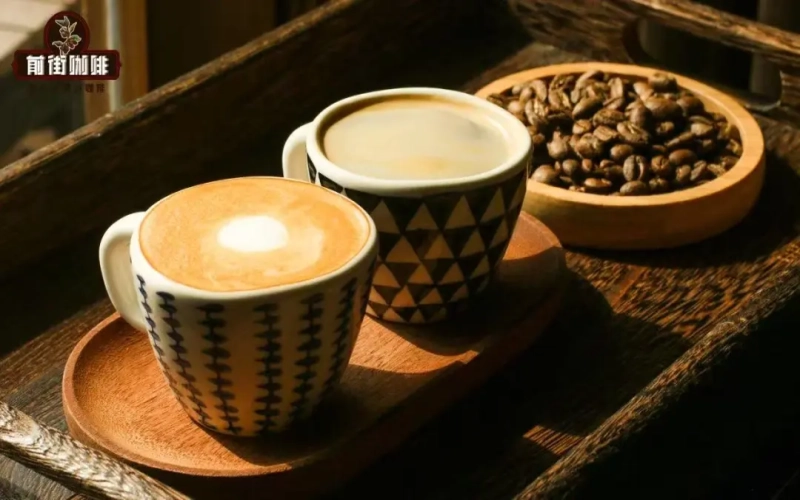
Why is Piccolo Coffee also called a small latte? What exactly is the difference between it and a latte in the use of milk and espresso?
What exactly are the differences between Piccolo coffee and latte? Why is Piccolo Latte called a small latte? This article systematically sorts out the relationship between Piccolo coffee and regular latte from the perspectives of name origin, historical background, cup size, and espresso usage. The article will also explain why Piccolo coffee is rarely served on its own in domestic coffee shops, and if you want to make a delicious Piccolo at home or in a shop, how to extract espresso and how to divide a double shot. Finally, Front Street Coffee will combine its own classic espresso blend beans to share the specific preparation parameters and flavor performance of Piccolo coffee, helping coffee enthusiasts understand this "small latte" more clearly. [more…]
Espresso Beginner's Guide: Extraction Standards, Single vs. Double Shot Differences, and Latte Practice Parameters
Espresso is the soul base of fancy coffee drinks like lattes and cappuccinos, but many friends who are just getting into coffee still have doubts about its definition, extraction standards, and the difference between single and double shots. Starting from Front Street Coffee's production experience, this article systematically sorts out the basic concept of Espresso, the differences between single and double espressos, the production process and qualified standards, and combines the Feima E98 coffee machine to give specific extraction parameters for hot lattes and suggestions for milk-to-coffee ratios. Whether you want to know how many milliliters espresso must be to count as qualified, or want to know why it is now mostly measured in grams, this article can provide clear and practical answers to help you build a basic understanding of espresso. [more…]
Espresso Brewing Parameters Explained: Dose, Time, Grind Size, and Ratio, with Budget Bean Recommendations for Office and Home
Espresso is the foundation of the Italian coffee system; whether it's a cappuccino, a latte, or a mocha, none can do without a properly extracted espresso base. This article provides a detailed breakdown of the dose, extraction time, liquid yield, and brew ratio parameters for single and double espressos, and explains how to adjust the grind size and use the basket's reference line. At the same time, for office and home scenarios, it introduces four espresso blend coffee beans with different positioning, covering classic blends, specialty blends, commercial blends, and dark cocoa blends, and offers recommendations for the espresso-to-milk ratio and blending in latte coffee, helping coffee enthusiasts find the everyday beans and brewing method that suit them. [more…]
Espresso Extraction Guide: Single vs. Double Shot Differences and Milliliter/Gram Standards Explained
Espresso is the soul base of fancy coffees like lattes, cappuccinos, and mochas, but do you really understand it? How many milliliters does a shot of espresso need to be to qualify as standard? Is the difference between a single and a double shot merely concentration? From the professional perspective of Front Street Coffee, this article systematically sorts out the definition, historical origins, and production process of Espresso, deeply analyzes the differences between single and double espressos in terms of dose, equipment, and extraction method, and provides international technical standards along with Front Street's current extraction scheme. It also extends to the preparation parameters and coffee-to-milk ratio of hot lattes, helping coffee enthusiasts fully master the core knowledge of Italian-style coffee. [more…]
Espresso Coffee Beans | How to Choose Coffee Beans for Making Espresso? What Are the Espresso Bean Price, Extraction Time, Coffee Grounds Dose, and Ratio Parameters?
Each espresso extraction has different restrictions on the amount of coffee used depending on the size of the portafilter basket. Front Street Coffee, when making a single shot of espresso (1 shot), uses 10-11g of coffee grounds to extract 20-25g of espresso liquid. [more…]
The Origin and Evolution of Espresso, Extraction Parameters and the Full Process for Making a Good Shot
The word Espresso originates from the Italian word Express, meaning fast, and this type of coffee can be produced in an extremely short time. From the initial steam pressure design at the end of the 19th century, to Luigi Bezzerra adding a pressure stabilization device and portafilter in the 20th century, to Gaggia improving the piston system in 1946 to bring golden Crema, Espresso has gone through a history of continuous evolution. This article will sort out the origin and flavor standards of Espresso, and explain in detail Front Street Coffee's practical methods for espresso extraction parameters, dose, water temperature, and time, while also including a complete demonstration of making hot Americano and iced Americano with the Sunflower Warm Sun blend. [more…]